
Key Takeaway:
本期《政策解读》聚焦上海及周边省市促进赛事经济、会展产业与消费联动的最新政策布局。
©️www.shanghai.gov.cn
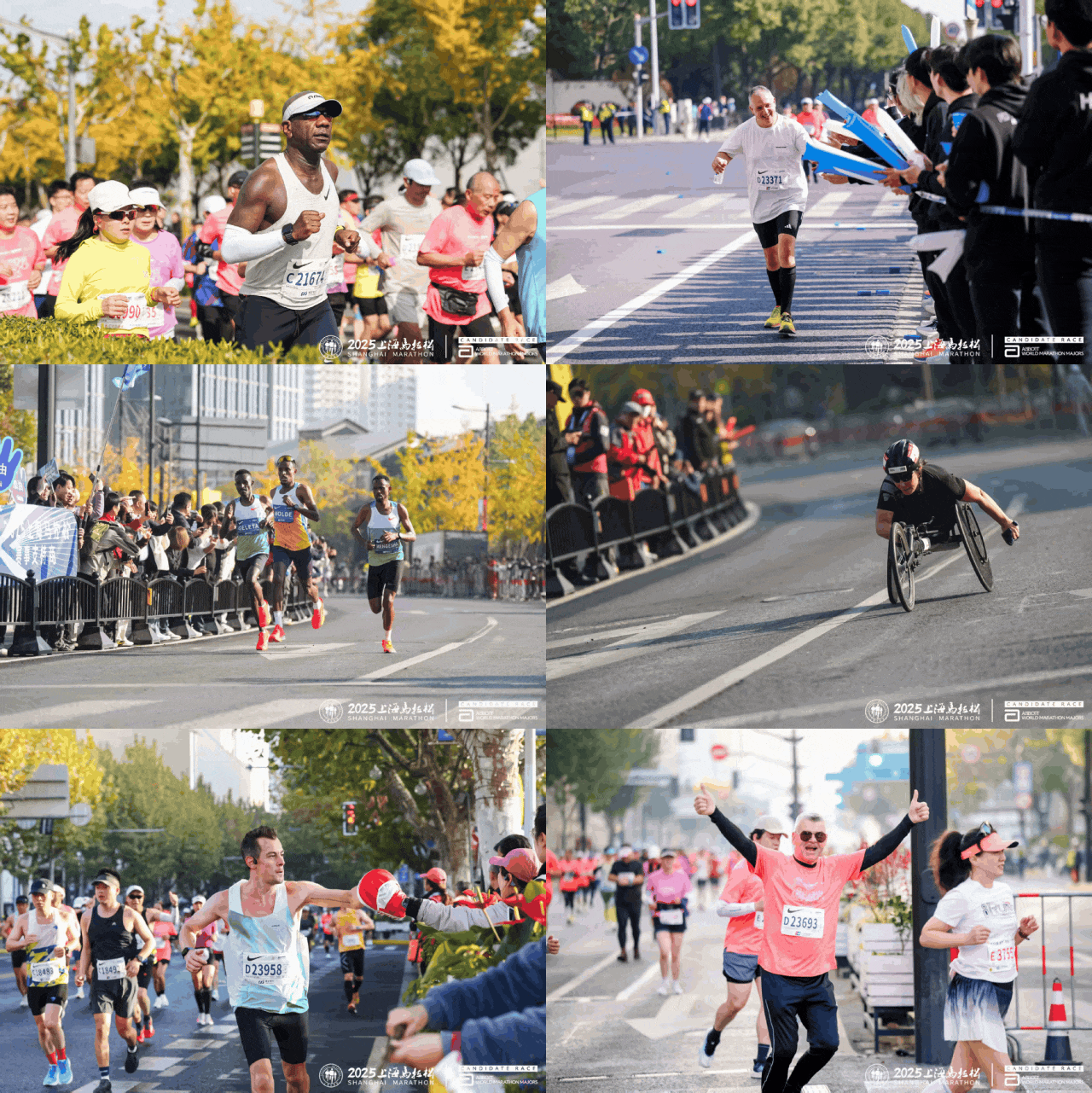
Shanghai has introduced a three-year action plan (2026–2028) to strengthen its sports event economy, building on major events such as the Shanghai Masters (ATP 1000), Shanghai Marathon, F1 Chinese Grand Prix and Longines Global Champions Tour, while expanding e-sports, extreme sports and grassroots competitions.
BritCham Note:
The plan focuses on expanding high-quality event offerings, improving organisers’ commercial capabilities, upgrading venues and spectator services, and strengthening links between sporting events, tourism, retail, culture and exhibitions.
By 2028, Shanghai aims to develop one or two world-class sports event brands, attract over 10 million attendees at national-level and above events, and generate more than RMB 100 billion in economic impact.
The plan explicitly promotes “ticket-based economy” partnerships, tailored financing and insurance support for event organisers, and multilingual, accessibility and family-friendly visitor services, areas where British sports marketing, hospitality, insurance and financial services firms have relevant expertise. With venue upgrades, a new Shanghai Sports Events public service platform and an operator talent pool also on the agenda, the plan points to fresh opportunities in venue operations, ticketing technology and event-linked retail and F&B concessions.
©️www.shanghai.gov.cn
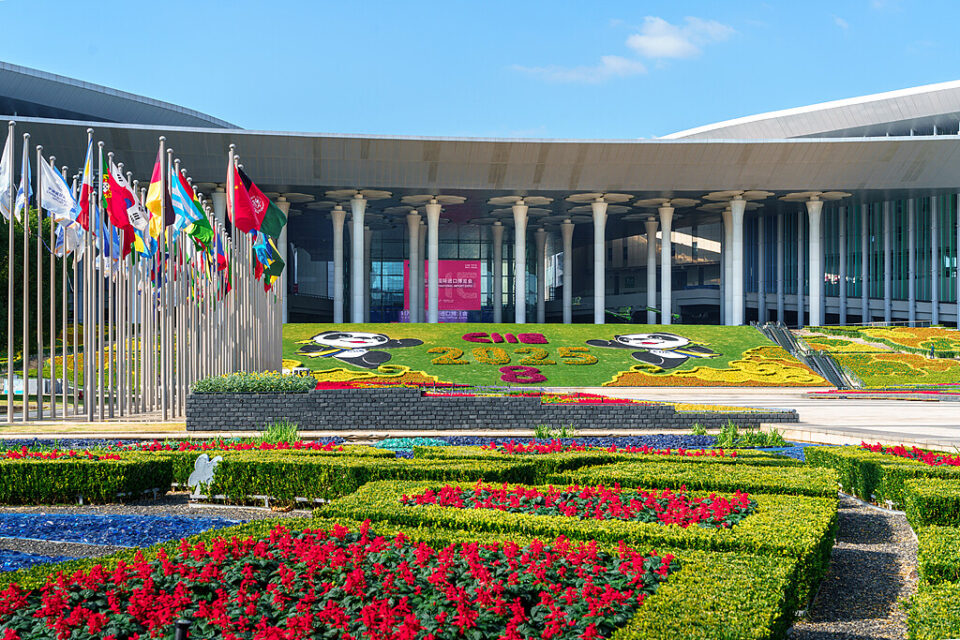
Shanghai released a plan for further boosting its exhibition and convention industry, setting out 12 measures across four areas: global destination marketing, building out the industry’s operator base and core exhibition districts, deepening cross-sector links between exhibitions, culture, tourism, sport and retail, and improving the business environment through streamlined approvals and upgraded visa-free and tax-refund services for overseas visitors.
BritCham Note:
By 2028, Shanghai aims to attract over 1 million inbound visitors for international conferences and incentive travel each year and to host international exhibitions covering a cumulative 16 million square metres.
Released within weeks of each other, the MICE plan and the events economy Action Plan share the same “culture-commerce-tourism-sport-exhibitions” integration logic and both run through 2028.
For foreign exhibition organisers, destination management companies and business travel providers, the two policies point to a more coordinated approach, which is a shared events calendar, joint marketing and overlapping venue and hospitality investment, rather than two separate pipelines.
©️www.shanghai.gov.cn
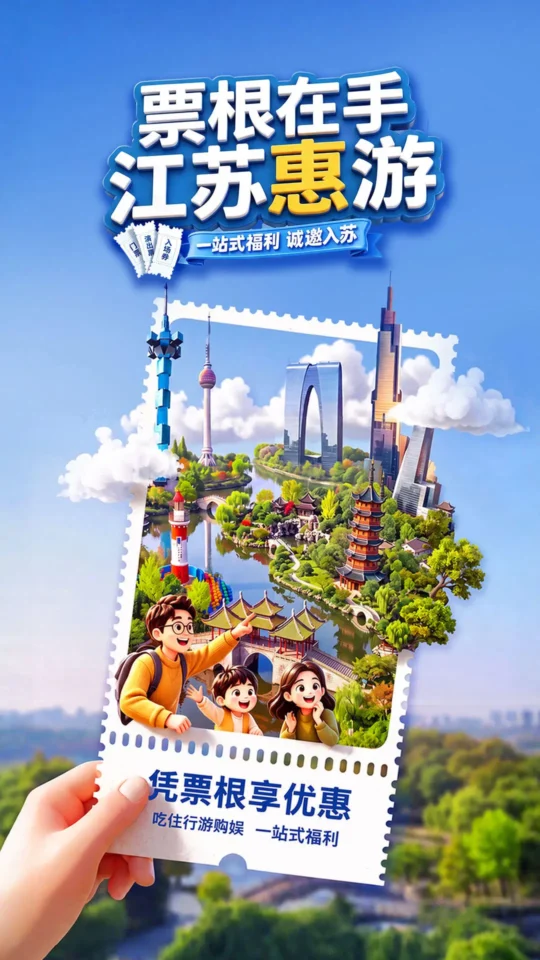
Jiangsu has introduced measures to link cultural, tourism, sports and commercial activities through a province-wide ticket-based incentive scheme. Tickets or booking confirmations for concerts, music festivals and sporting events can unlock discounts across all 13 cities, with benefits valid on the event day and for 15 days before and after, supported by an initial pool of over 5,000 participating businesses.
BritCham Note: The scheme aims to turn event-driven footfall into sustained spending across multiple cities and consumer sectors. Jiangsu reported that each RMB 1 in ticket revenue from the 2025 Jiangsu City Football League generated RMB 7.3 in related spending.
For foreign-invested businesses in hospitality, food and beverage, retail and leisure, participation could offer opportunities to reach event visitors, attract customers beyond their immediate location and develop joint promotions with local partners. Businesses should assess the participating merchant programme and relevant platform channels to identify suitable opportunities.
【阅读更多】